Blog ·
Planning Your Bathroom Renovation: A Step-by-Step Guide
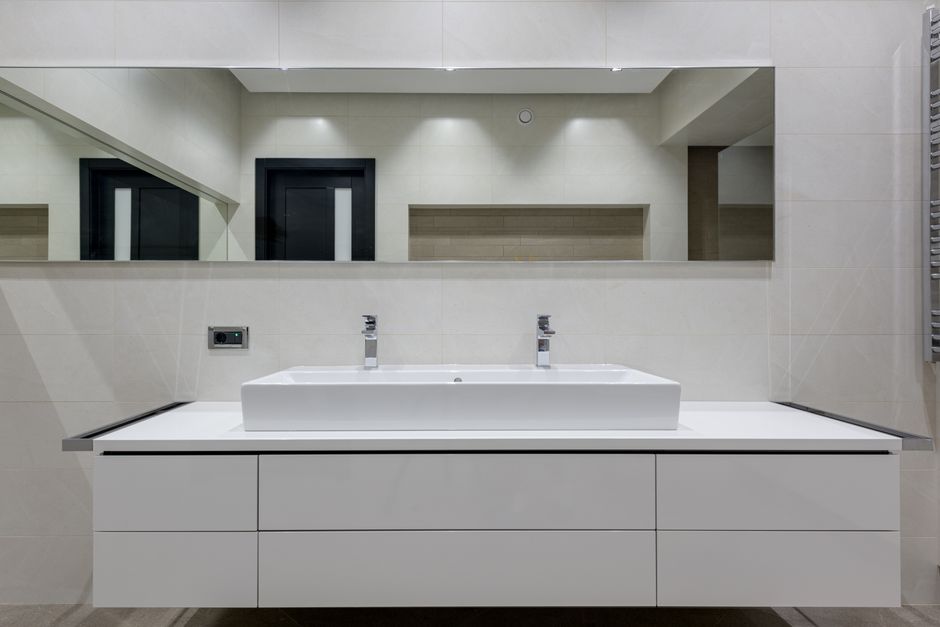
A bathroom renovation is one of the most impactful home improvements you can make, but successful projects require careful planning. Understanding the key stages of renovation planning helps you make informed decisions and avoid costly mistakes.
Begin by assessing your current bathroom honestly. Take time to observe what works and what doesn't. Does the lighting make grooming difficult? Is storage inadequate? Are fixtures outdated or unreliable? Document functional issues alongside aesthetic concerns. This foundation ensures your renovation addresses real needs, not just trends.
Layout planning is crucial before making any financial commitments. The bathroom's plumbing and electrical locations significantly impact renovation costs. If your budget is flexible, you have more options. If it's constrained, keeping plumbing in place reduces expenses considerably. Evaluate whether your current layout serves you well or whether relocating fixtures would improve functionality.
Prioritizing Your Renovation Elements
Not all bathroom elements deserve equal budget allocation. Consider what you use most frequently and what directly impacts daily comfort. A reliable toilet, functional shower, and adequate storage might rank higher than luxury fixtures if your budget is limited.
Create a prioritized list:
- Essential structural and plumbing updates
- Ventilation and moisture control systems
- Lighting and electrical layout
- Flooring and waterproofing
- Fixtures and hardware
- Finishes and aesthetic details
This framework helps you allocate resources where they matter most. A bathroom with quality ventilation and waterproofing but simpler finishes will outperform one with luxury fixtures but inadequate moisture control.
Timeline and Workflow Considerations
Realistic timelines prevent frustration. Bathroom renovations typically take several weeks, especially if plumbing or electrical changes are needed. Your family will need alternative bathroom access during construction, which affects scheduling decisions.
Material selection should happen early in planning, not during construction. Choose finishes, fixtures, and colors when coordinating with your project team. This prevents delays waiting for materials and ensures everything arrives before work begins.
Think about future-proofing your renovation. Accessibility features benefit everyone, not just those with mobility concerns. Grab bars, slip-resistant surfaces, and clear spaces around fixtures make bathrooms safer and more usable throughout life stages.
Testing design choices before committing helps avoid regrets. Visit showrooms, examine samples in your home's lighting, and spend time in spaces with your proposed finishes. What looks perfect under showroom lights might feel different in your bathroom's natural light.
A well-planned renovation creates a bathroom that serves your family's needs for years to come, making every stage of preparation worthwhile.